Most sapphires in the world have met a furnace. The few that have not are a different proposition, and the difference is the whole of the matter.
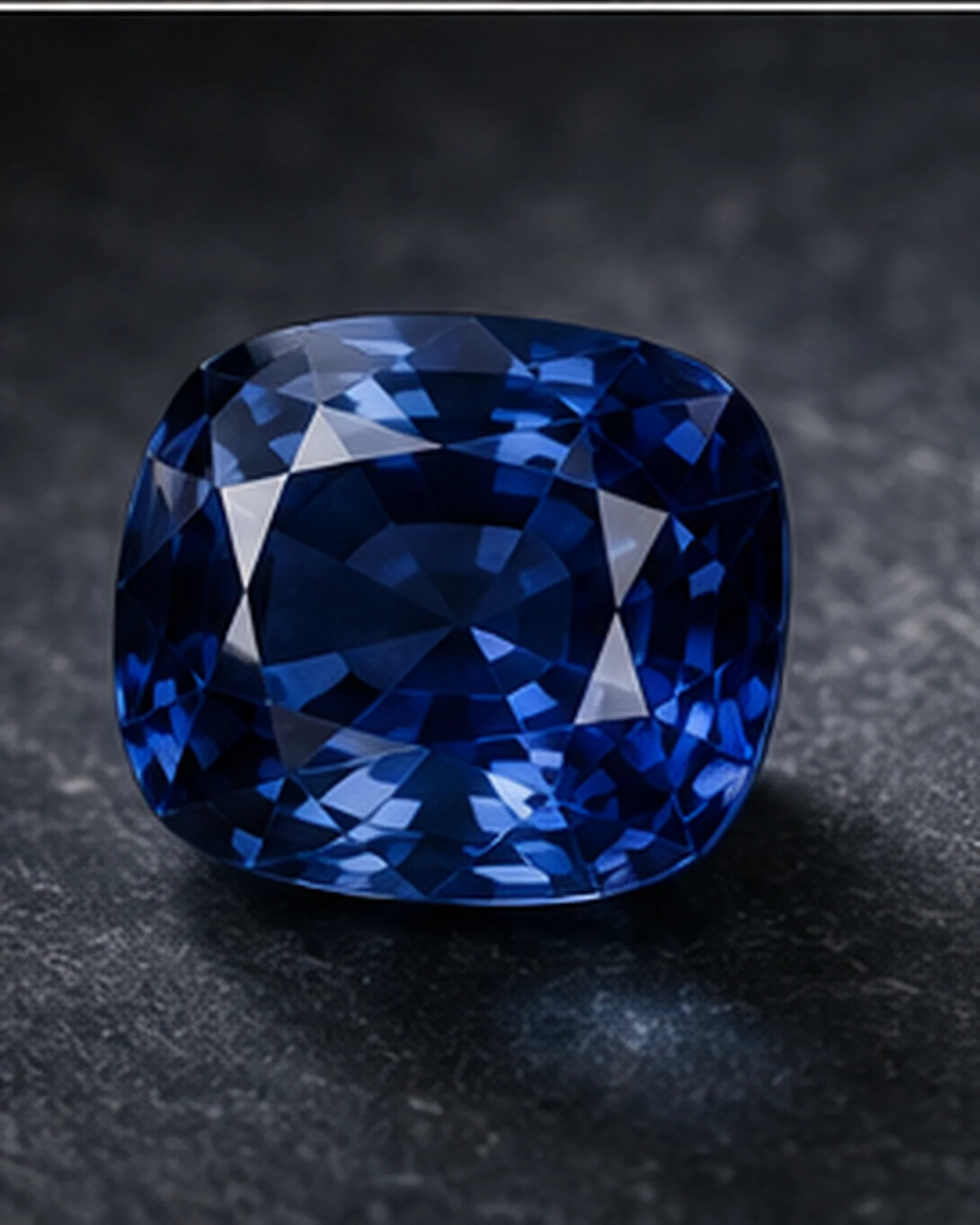
Heat treatment is the most common practice in the coloured stone trade. A rough sapphire is brought to a high temperature, sometimes over many hours, to deepen its colour and to clear the fine inclusions that cloud it. Done well, it produces a stone that looks better than it did in the ground. It is a legitimate practice, and the trade has used it for generations. The only requirement is that it be disclosed.
What the furnace does
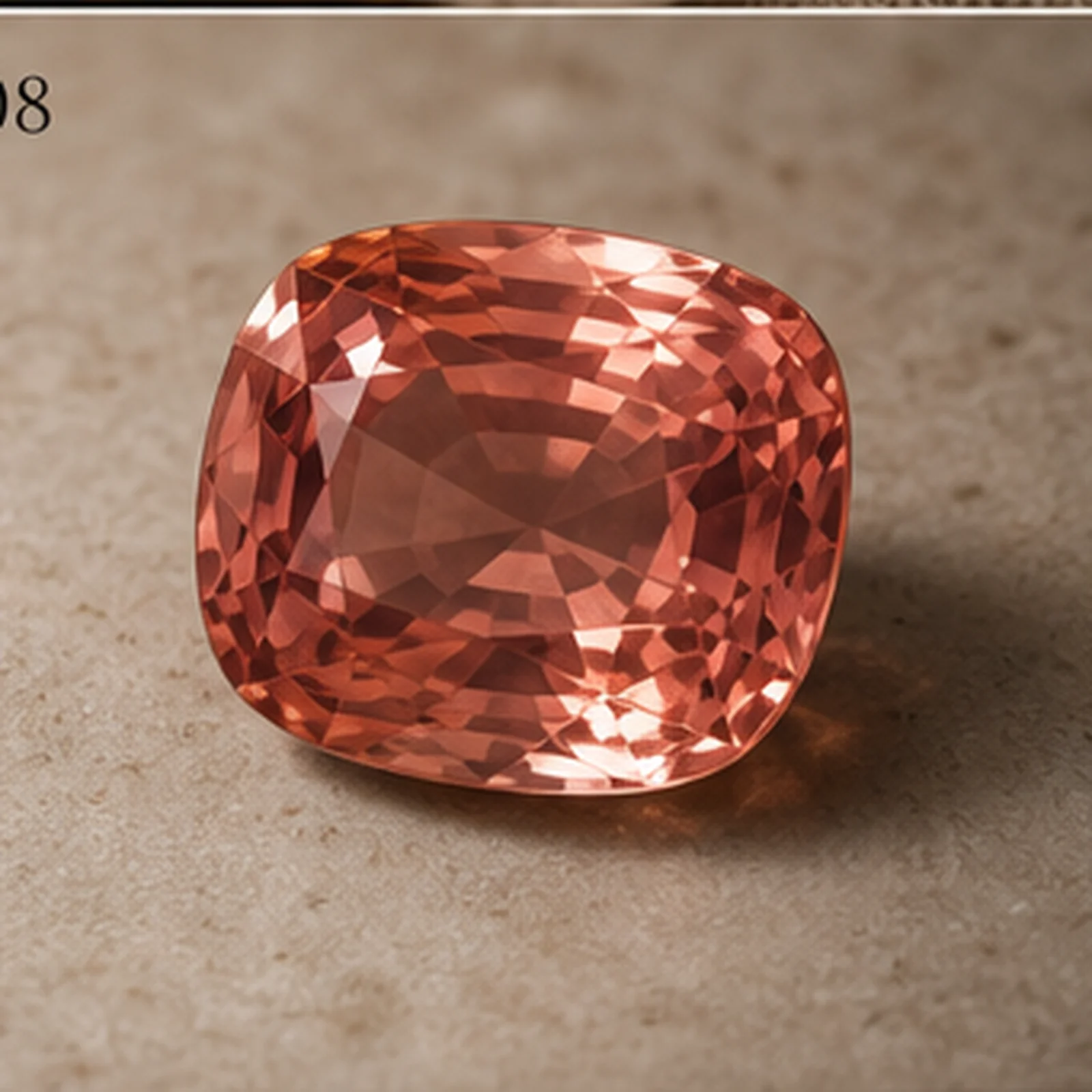
Heat changes a stone permanently. It can turn a pale, milky sapphire into a saturated blue, or lift a dull padparadscha into something brighter. What it cannot do is add what was never there in judgment: the evenness, the silk, the life that the finest stones carry from the earth. A heated stone can be beautiful. It is also common, and a collector at this level is buying what is rare.
An unheated stone is one whose colour and clarity are as geology made them. Nothing has been improved, because nothing needed to be. These are the stones the house holds. They are scarcer, they hold their value over time, and for a collector they are the point.
How it is proven
Treatment is not a matter of opinion. An independent laboratory examines the stone and states, on the certificate, whether it has been heated. House of Ayura works with GRS and comparable laboratories, and the certificate travels with the stone. We never ask you to take a treatment claim on trust, and you should never give it to anyone who does.
The certificate is the only place where a treatment claim becomes a fact.
Every stone the house presents states its treatment in full. When a sapphire is unheated, the certificate says so, and you are welcome to read it before anything else.