For two thousand years, the gem gravels of southern Sri Lanka have given the world its finest sapphires. The work still begins there.
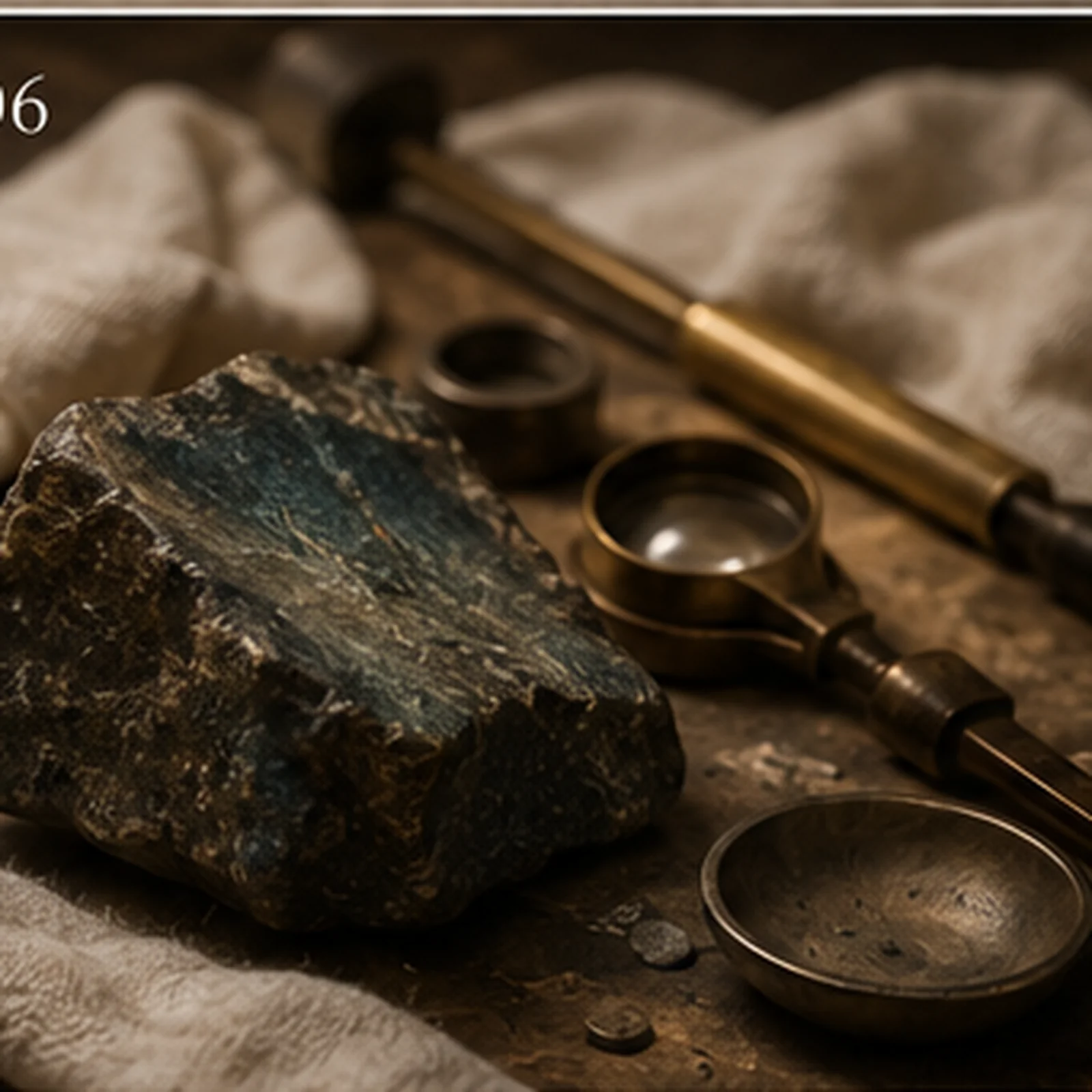
Ratnapura means City of Gems, and the name is plain rather than poetic. The town sits in the alluvial plains of southern Sri Lanka, where rivers have spent millions of years carrying material down from ancient metamorphic rock and laying it in beds of gravel the miners call illam. In that gravel lie sapphires, padparadscha, alexandrite, spinel, chrysoberyl, and moonstone, washed and sorted by water long before any hand reached for them.
Why Ceylon is the benchmark
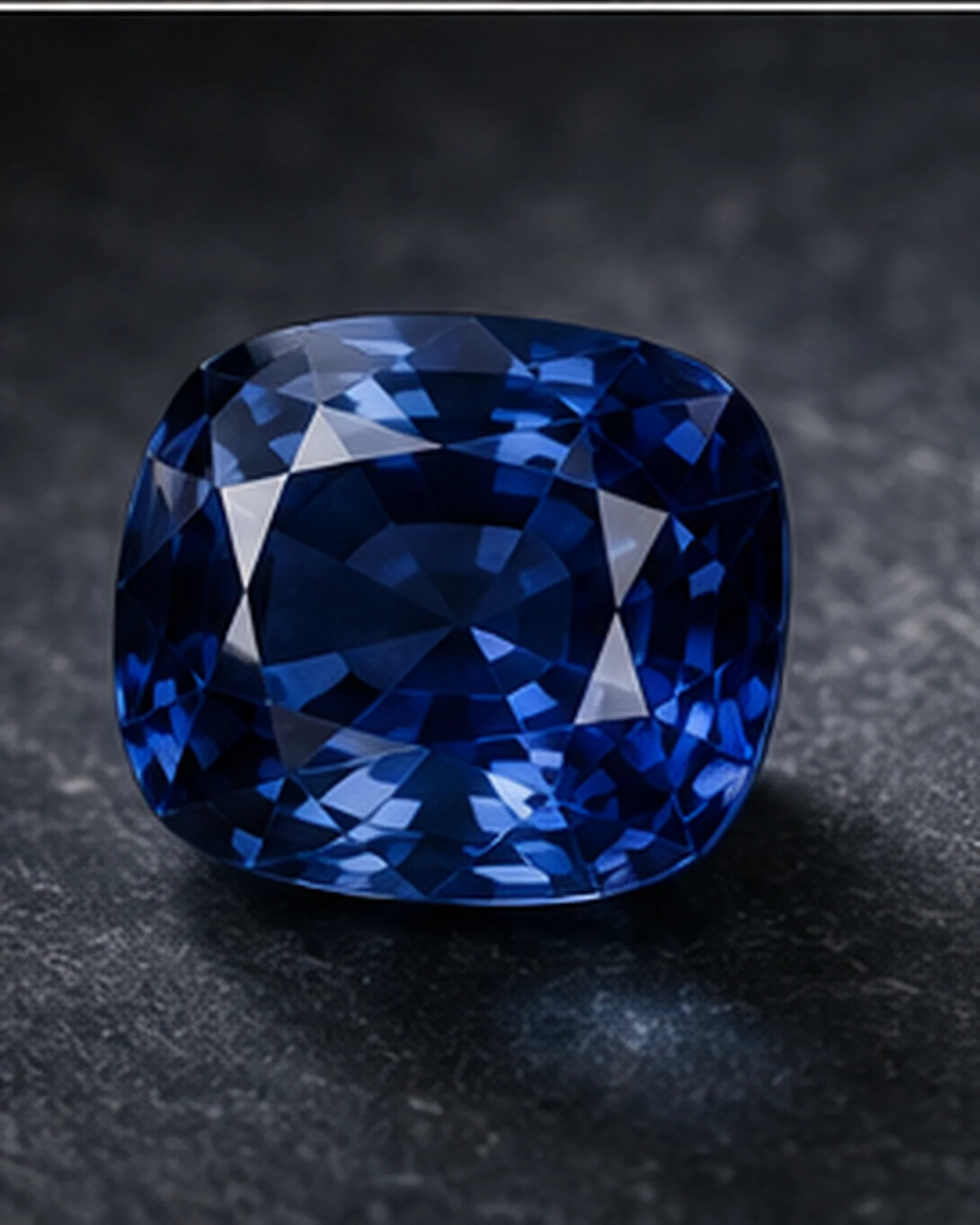
The island has been trading these stones since antiquity. Roman, Persian, and Chinese records all mention the gems of Serendib, and the word Ceylon still functions in the trade as a standard the rest of the world is measured against. A Ceylon blue sapphire is the reference for saturation and silk. This is not marketing. It is the accumulated judgment of centuries of buyers who learned to tell the island's stones from the rest.
Origin is not a label added at the end. It is the first fact about a stone.
Where the house begins
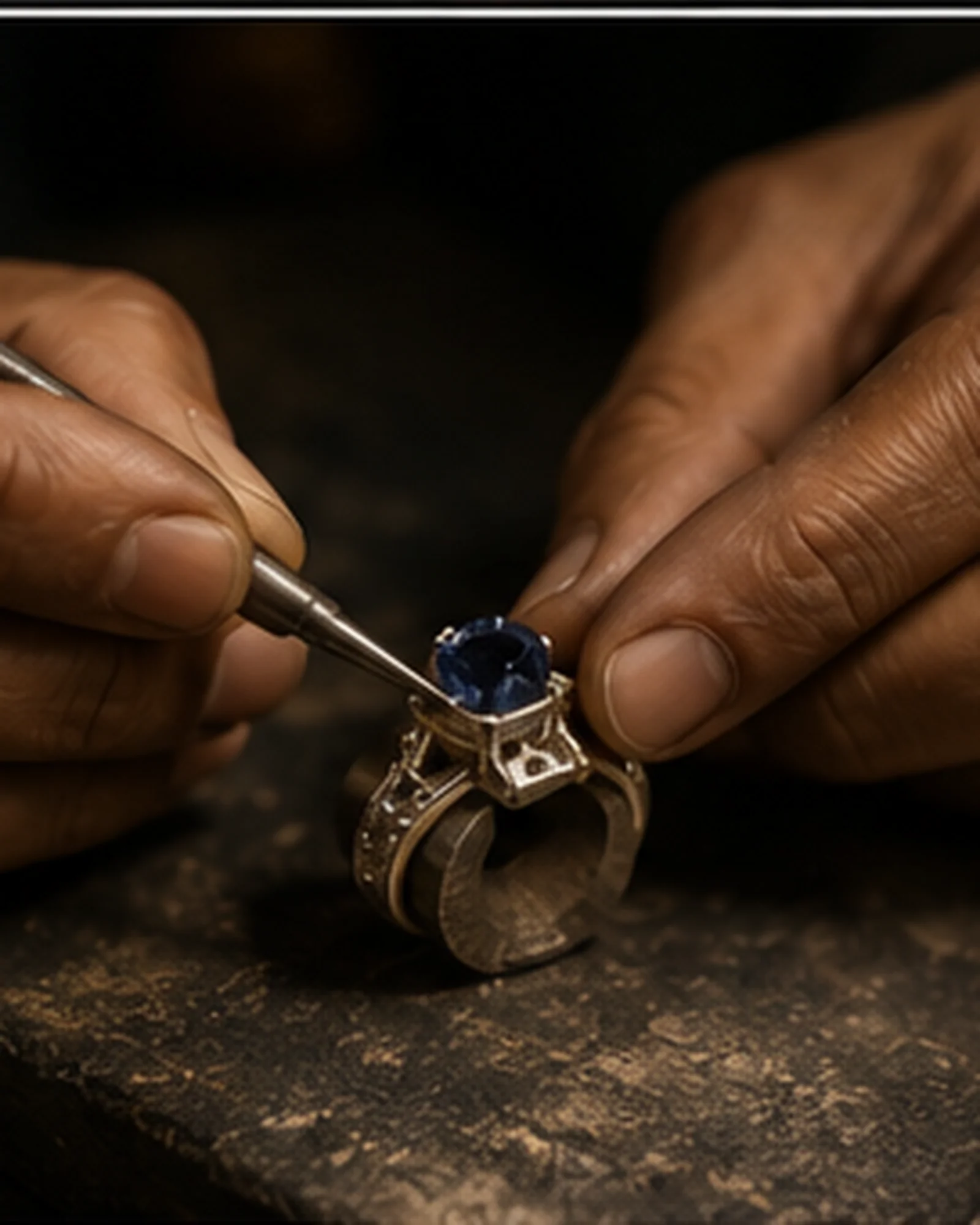
House of Ayura is rooted here. Four generations of the founder's family have mined, cut, and carried these stones, and Adhil Fouz still selects at the cutting houses in person. Because the house buys at the source, the origin of a stone is known before it is ever offered, documented at the cutting stage rather than guessed at later. Every stone the house holds is a Ceylon stone, and the story of each one begins in this ground.